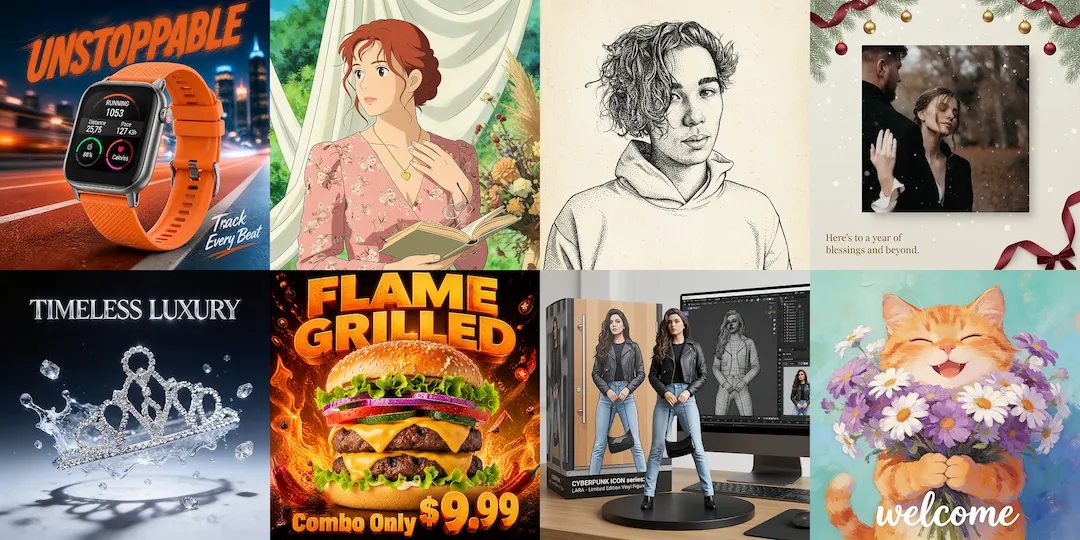
Use NanoVibe for image creation first
Choose NanoVibe when the hardest part is making the product image, portrait, scene, or hero visual before it goes into a design system.

Design Tool Comparison
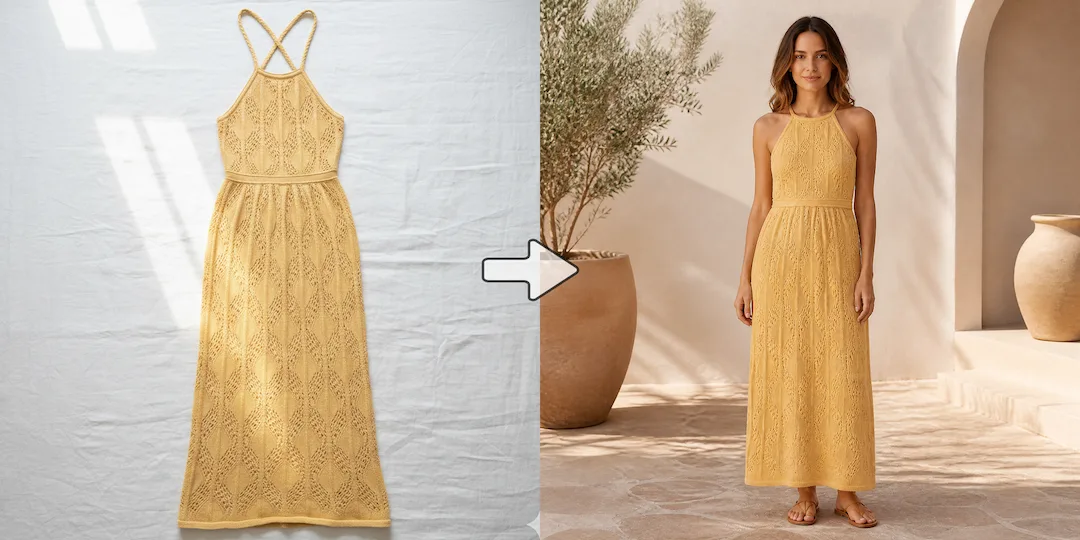
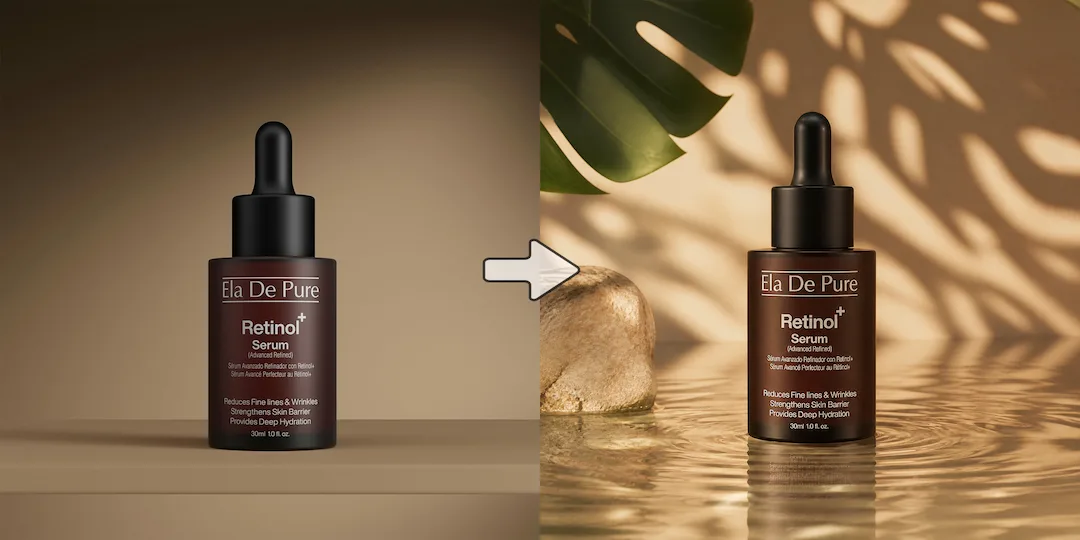
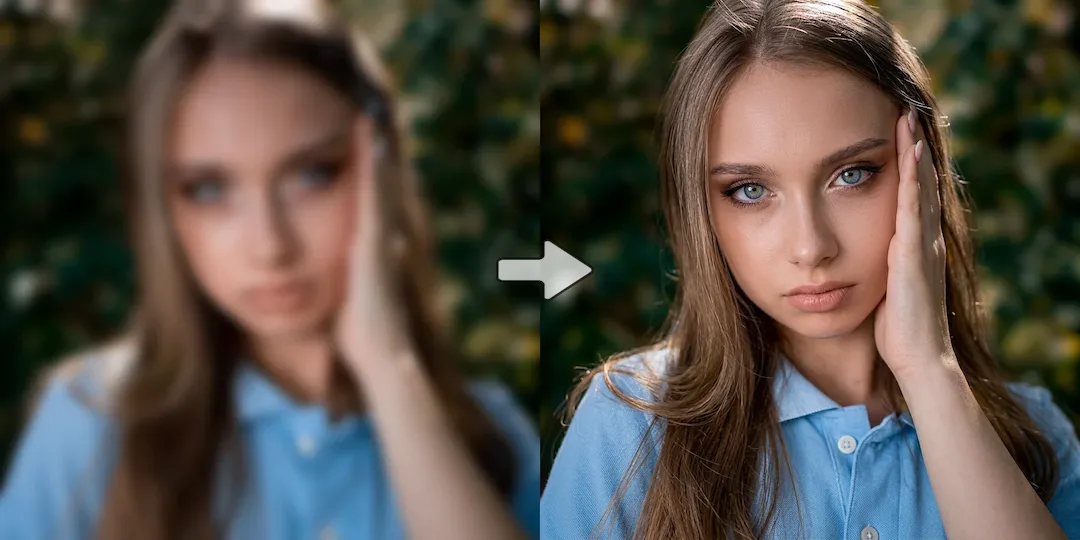
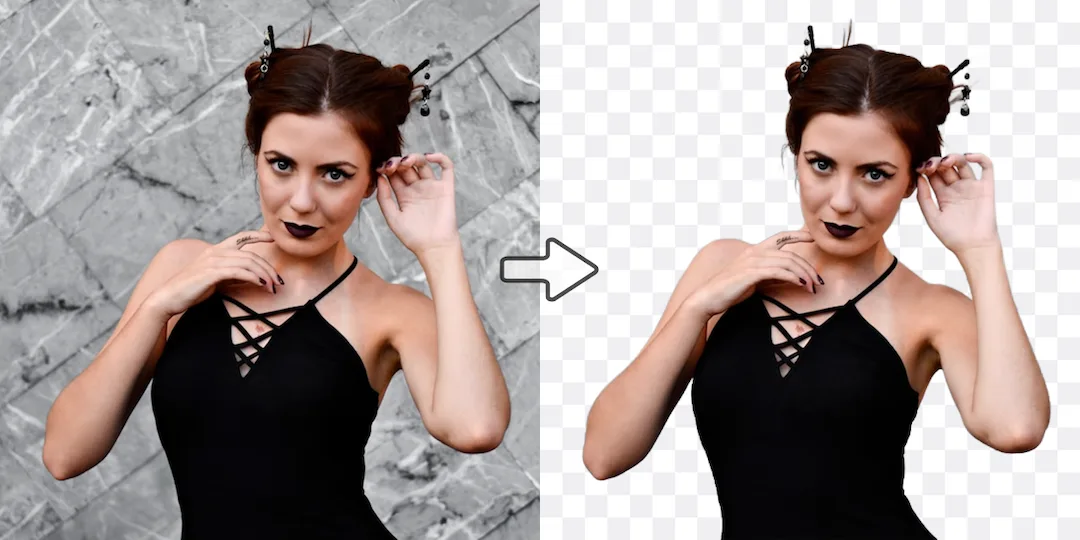
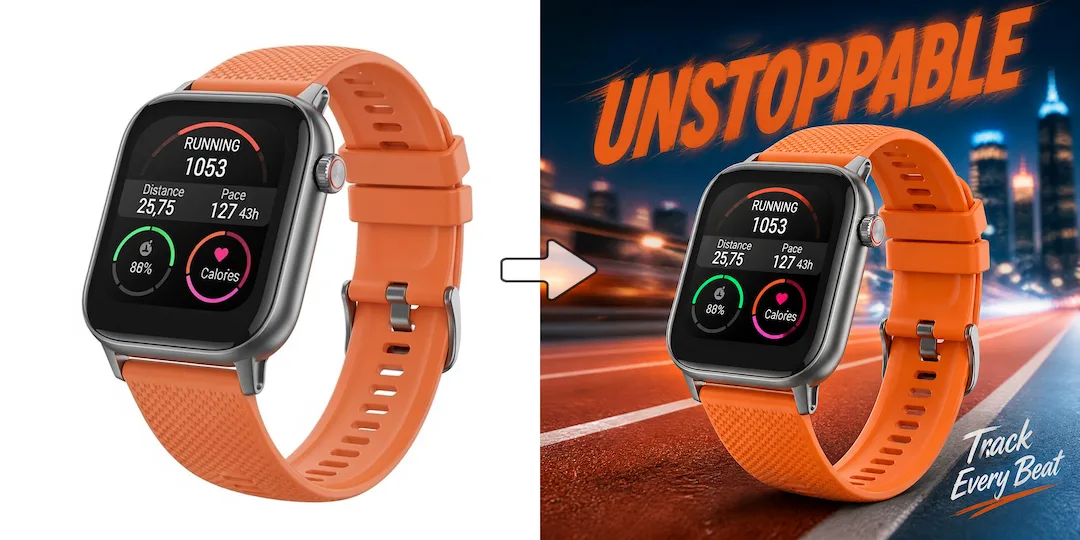
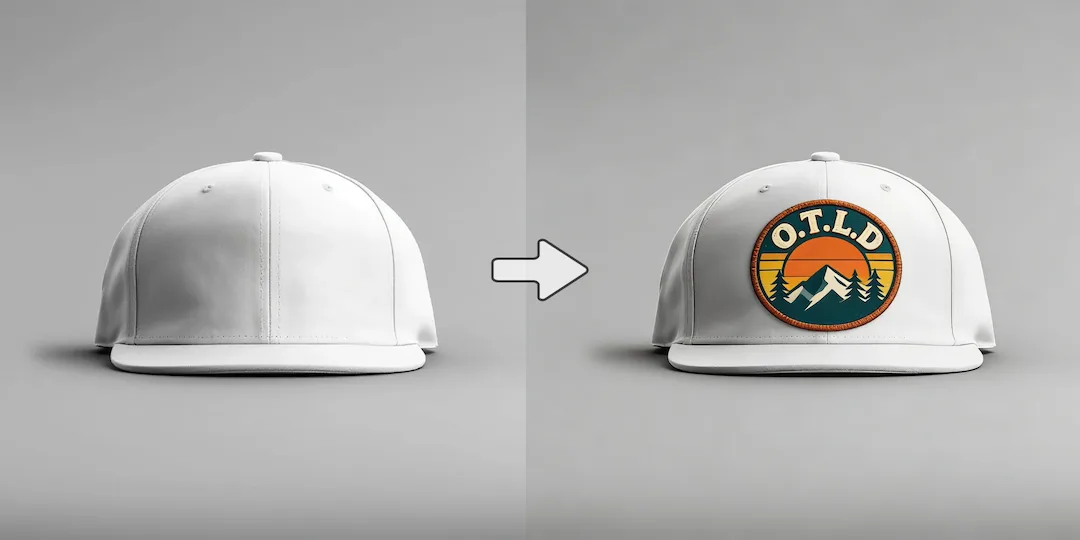
NanoVibe is built for fashion and ecommerce teams that need faster, repeatable AI photo production. It turns one product image into model photos, product scenes, clean packshots, and campaign creatives with less cost and less tool switching. Canva is excellent as an all-in-one design suite with templates, brand tools, presentations, and collaboration. NanoVibe is often the stronger option when the main job is generating and refining AI images quickly before they move into a broader design system.
Decision guide
Choose NanoVibe when the hardest part is making the product image, portrait, scene, or hero visual before it goes into a design system.
Choose Canva when the hardest part is layout, resizing, templates, brand consistency, or team collaboration after the asset already exists.
Many teams keep Canva for design assembly but look for a more specialized tool when AI image creation becomes a bottleneck of its own.
Full comparison
Canva is a design platform first. NanoVibe is an image workflow first. The choice depends on whether you need a full creative suite or a more specialized tool for creating the product photo or campaign visual before layout begins.
NanoVibe is centered on generating and refining the image asset itself before it enters a larger design workflow.
Canva is centered on templates, layouts, presentations, social assets, brand systems, and collaboration after the asset exists.
NanoVibe is stronger when image generation and visual refinement are the core tasks that decide campaign quality.
Canva includes AI image features, but they live inside a broader design environment where image generation is only one layer.
NanoVibe works well as the upstream step that creates source assets before they move into layout, resizing, or deck creation.
Canva works well as the downstream step where source assets are placed into templates, layouts, and collaborative design workflows.
Better for image-led campaigns, product visuals, portraits, and source-asset creation.
Better for template-driven marketing, presentations, social layouts, and collaborative design operations.
Why users switch
Canva is a great design suite, but not every user needs the full suite every time. Many just want better image generation and a more direct path to a finished visual asset before layout or collaboration even begins.
Templates and layouts are useful, but they can add unnecessary interface weight when the real task is generating or refining an image.
NanoVibe is a better fit when users want a tool that feels built around product images, campaign visuals, and visual generation rather than many adjacent design jobs.
A broad platform is valuable for teams, but individuals and creators often prefer a cleaner image workflow for daily asset creation.
Use cases
Canva is the stronger option when you need a full design suite with layout and collaboration features.
NanoVibe is better when the main deliverable is a generated or refined image rather than a full design file.
If your team needs visuals quickly before they enter a larger design workflow, NanoVibe is often the more direct fit.
Why NanoVibe wins
NanoVibe keeps the experience closer to generation and visual refinement instead of a larger design suite.
That matters when the work centers on ads, product scenes, portraits, promotional visuals, and source assets for later design use.
Users who do not need layouts, templates, or slide decks often prefer a tool with fewer adjacent decisions.
A focused workflow usually helps users move from idea to asset with less interface friction.
Try it yourself
If you are deciding between NanoVibe and Canva, compare the real task. When the job is mainly AI image creation, a focused workflow often wins. When the job includes layouts, templates, and team collaboration, a design suite may win instead.
Try NanoVibe FreeFAQ
Yes. If your main need is image generation and refinement, NanoVibe is more focused on visual creation itself, while Canva is broader as a design suite.
Canva is generally better for presentations, templates, brand kits, and social layout work because that is the center of its product.
NanoVibe is often the better fit when AI image generation is the main task and you want a cleaner, more specialized workflow before design work starts.
The main reason is focus. Some users do not need a full design suite and prefer a product built more directly around image creation and editing.
Yes. Many teams create images in NanoVibe first, then move those assets into Canva for layouts, presentations, resizing, or collaborative design work.
NanoVibe is a strong alternative if you want a more direct image-first workflow without the overhead of a full design suite.
More comparisons
Best for teams choosing between Midjourney concept art and NanoVibe's faster workflow for product photos, ads, and launch visuals.
Compare Gemini's assistant-style image help with NanoVibe's dedicated workflow for repeatable ecommerce and marketing visuals.
See whether a general AI assistant or an image-first workflow is better for campaign creatives, product pages, and repeat visual output.
Compare Photoroom's seller-focused editing and listing workflow with NanoVibe's broader AI photo workflow for models, scenes, packshots, and campaign assets.
Compare Claid's product-photo enhancement and API workflow with NanoVibe's image-first workflow for model photos, product scenes, and launch-ready visuals.
Best for sellers comparing a utility-heavy editor with a full product photo workflow for cleanup, scenes, packshots, and promo assets.
Compare Aragon's classic business headshots with NanoVibe's broader workflow for LinkedIn photos, founder portraits, and brand imagery.
Compare Photo AI's training-heavy portrait workflow with NanoVibe's faster path to headshots, creator photos, and brand-ready portraits.
See when a free image generator is enough and when NanoVibe is better for reliable product visuals, ads, and repeat commercial work.
Compare Stable Diffusion's open model freedom with NanoVibe's faster workflow for non-technical teams shipping ecommerce and campaign assets.
Best for teams deciding between model-first Flux workflows and NanoVibe's faster route to product imagery, launch assets, and ad creatives.
Compare Claude for briefs and thinking with NanoVibe for image production when the final deliverable is a campaign or product visual.
See when Remini is enough for enhancement and when NanoVibe is better for turning repaired images into ecommerce and campaign assets.
Compare OpenArt's exploration-heavy creator platform with NanoVibe's cleaner workflow for product images, ads, and practical brand visuals.
More tools