Use NanoVibe for team-friendly execution
Choose NanoVibe when marketers, operators, or founders need product visuals and campaign assets without learning a model ecosystem first.

AI Tool Comparison
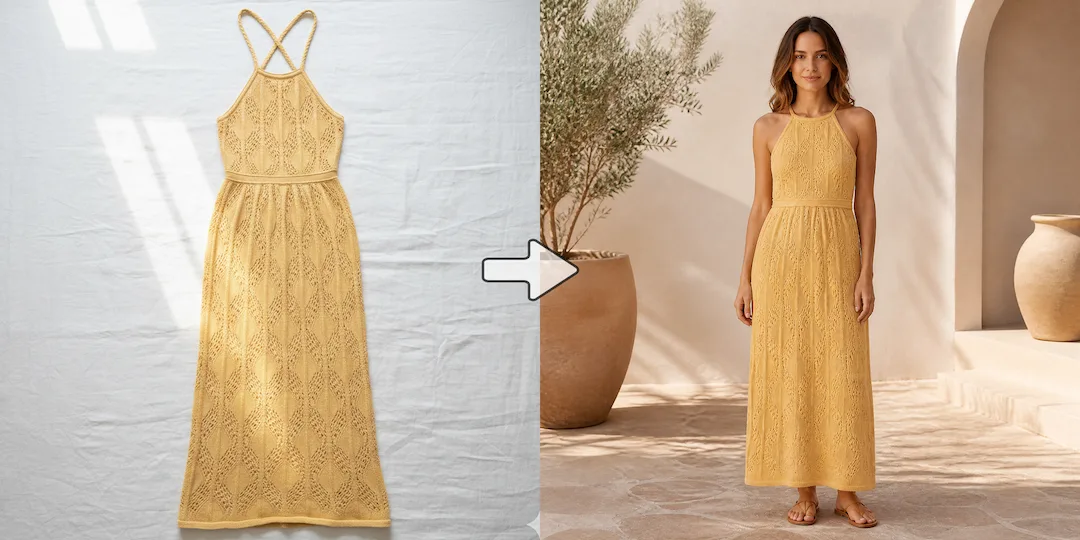
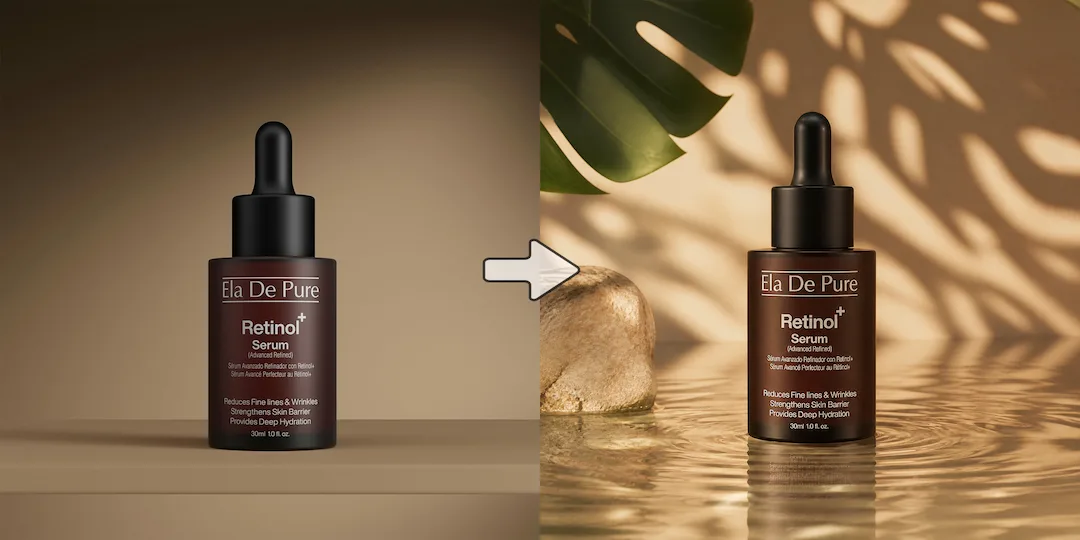
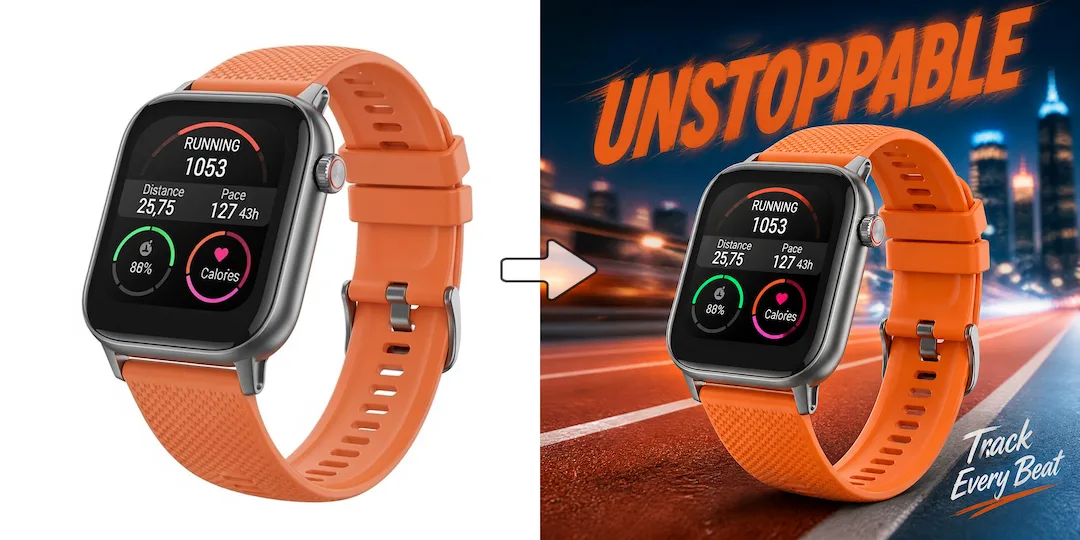
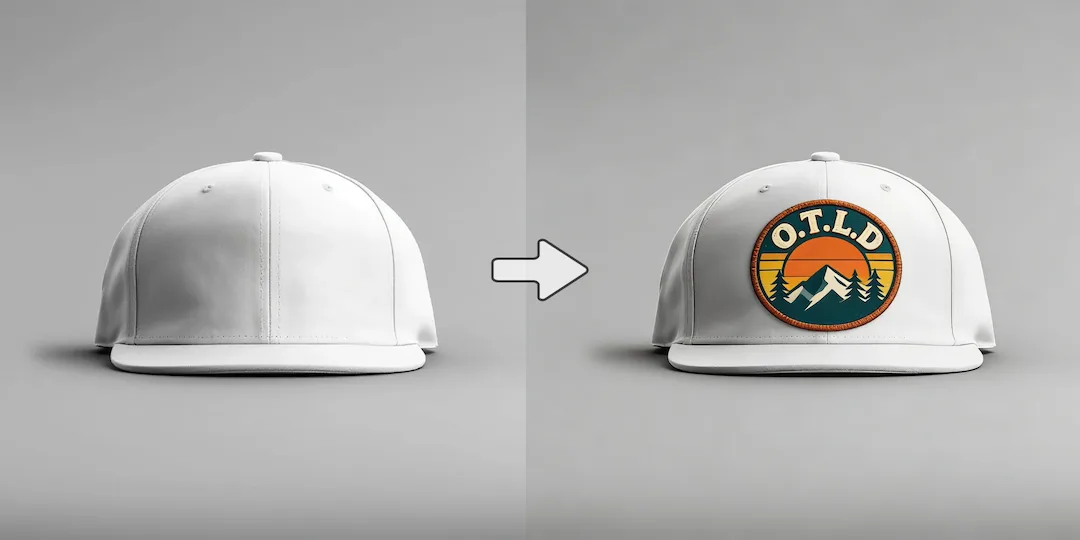
NanoVibe is built for fashion and ecommerce teams that need faster, repeatable AI photo production. It turns one product image into model photos, product scenes, clean packshots, and campaign creatives with less cost and less tool switching. Stable Diffusion is powerful because it opens the door to models, checkpoints, and highly customizable workflows. NanoVibe is often the better choice when you do not want to manage that complexity and just need a clear path to usable commercial assets.
Decision guide
Choose NanoVibe when marketers, operators, or founders need product visuals and campaign assets without learning a model ecosystem first.
Choose Stable Diffusion when your goal is model choice, infrastructure flexibility, and building a workflow around open-ended customization.
Many users love the freedom of Stable Diffusion, then start looking elsewhere when speed, simplicity, and team adoption matter more than full-stack control.
Full comparison
Both can produce strong images, but they optimize for different kinds of users. Stable Diffusion rewards configuration and ecosystem control. NanoVibe is stronger for teams that need product photos, ads, and campaign visuals without turning every task into a systems decision.
NanoVibe arrives as a ready-to-use workflow for generation, editing, and delivery without requiring model or infrastructure decisions.
Stable Diffusion gives much more freedom, but that freedom often starts with choosing models, platforms, parameters, and tooling before real production begins.
NanoVibe is easier to hand to non-technical teammates who care about asset quality but not about checkpoints or pipelines.
Stable Diffusion is more comfortable for users who enjoy experimentation and are willing to manage technical complexity.
NanoVibe prioritizes getting to a usable campaign visual, PDP image, or launch asset with less process drag.
Stable Diffusion is stronger if the main task is fine-grained control over models, prompting, and system behavior.
NanoVibe gives a guided workflow that covers the common commercial tasks most teams actually need.
Stable Diffusion wins if your highest priority is customization depth and the ability to shape every part of the generation stack.
Better for marketers, ecommerce teams, and businesses that want usable assets quickly with less overhead.
Better for hobbyists, power users, and creators who want deep control and open-ended experimentation.
Why users switch
Stable Diffusion remains important because it unlocked flexible, open image generation. But many users eventually realize that freedom also creates friction when they simply need finished work for a product, campaign, or launch calendar.
A lot of users do not want to think about models, checkpoints, prompts, extensions, or infrastructure every time they need one good image.
Experimentation is fun until the actual goal is publishing an ad, product page, or campaign asset on a deadline.
NanoVibe is easier to hand to marketers, founders, and non-technical teammates who care about output quality but not about model management.
Use cases
Stable Diffusion is still the stronger option if you want to explore models, styles, and custom workflows in depth.
NanoVibe is better when your goal is to produce useful assets for ecommerce, marketing, or content without setup drag.
NanoVibe is the easier fit for users who want image results without first becoming image-generation operators.
Why NanoVibe wins
NanoVibe keeps users closer to the visual task instead of the tooling choices around it.
That matters when image generation supports campaigns, products, and content calendars rather than experimentation alone.
When you need to adjust, refine, or iterate after the first output, NanoVibe feels more direct.
Teams that create images regularly often value reliability and simplicity more than unlimited configurability.
Try it yourself
If you are deciding between NanoVibe and Stable Diffusion, test a real visual task from your launch or campaign queue. The better tool is often the one that gets you to a usable asset with less setup and less friction.
Try NanoVibe FreeFAQ
Yes. Stable Diffusion is excellent for open-ended customization, but NanoVibe is often better when speed, usability, and practical output matter more than deep ecosystem control.
NanoVibe is generally better for beginners because it removes much of the setup and ecosystem complexity that often comes with Stable Diffusion-based workflows.
Stable Diffusion is still the better choice when you want deep control over models, settings, infrastructure, and workflow construction as part of the product value.
NanoVibe is usually better because it helps users get to practical, usable visuals faster and with less process overhead.
The most common reason is friction. Many users eventually want a more straightforward tool that emphasizes execution instead of configuration.
NanoVibe is a strong alternative if you want less setup, a cleaner workflow, and a faster path to useful visual assets for campaigns, product pages, and content.
More comparisons
Best for teams choosing between Midjourney concept art and NanoVibe's faster workflow for product photos, ads, and launch visuals.
Compare Gemini's assistant-style image help with NanoVibe's dedicated workflow for repeatable ecommerce and marketing visuals.
See whether a general AI assistant or an image-first workflow is better for campaign creatives, product pages, and repeat visual output.
Best for teams comparing Canva's design suite with NanoVibe's image-first workflow for source assets, product photos, and campaign visuals.
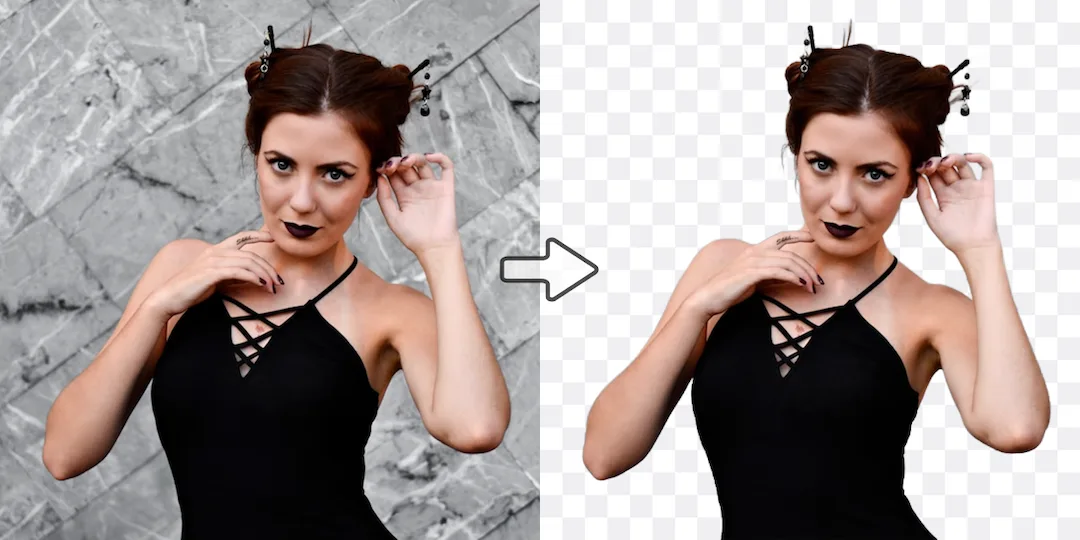
Compare Photoroom's seller-focused editing and listing workflow with NanoVibe's broader AI photo workflow for models, scenes, packshots, and campaign assets.
Compare Claid's product-photo enhancement and API workflow with NanoVibe's image-first workflow for model photos, product scenes, and launch-ready visuals.
Best for sellers comparing a utility-heavy editor with a full product photo workflow for cleanup, scenes, packshots, and promo assets.
Compare Aragon's classic business headshots with NanoVibe's broader workflow for LinkedIn photos, founder portraits, and brand imagery.
Compare Photo AI's training-heavy portrait workflow with NanoVibe's faster path to headshots, creator photos, and brand-ready portraits.
See when a free image generator is enough and when NanoVibe is better for reliable product visuals, ads, and repeat commercial work.
Best for teams deciding between model-first Flux workflows and NanoVibe's faster route to product imagery, launch assets, and ad creatives.
Compare Claude for briefs and thinking with NanoVibe for image production when the final deliverable is a campaign or product visual.
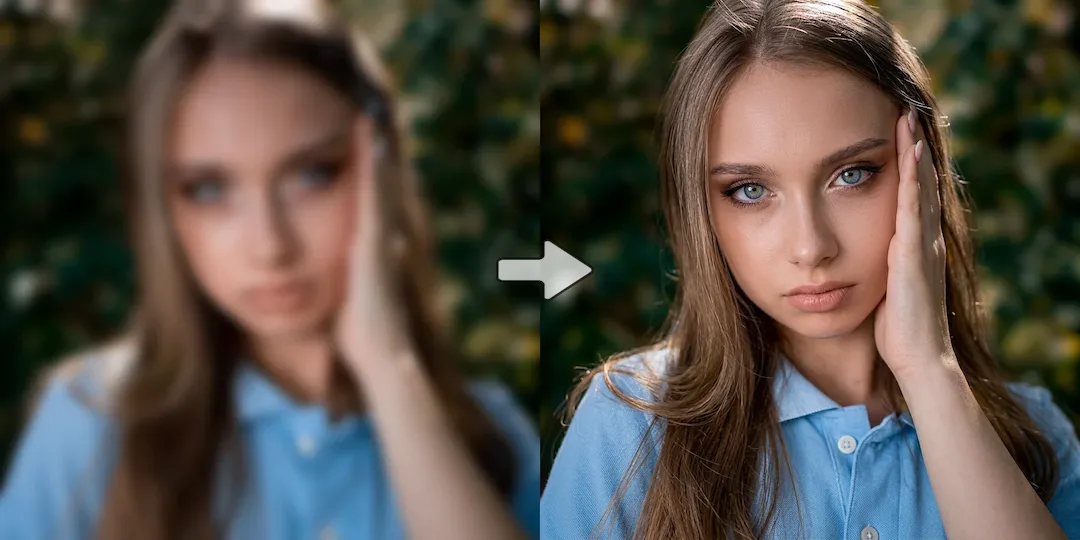
See when Remini is enough for enhancement and when NanoVibe is better for turning repaired images into ecommerce and campaign assets.
Compare OpenArt's exploration-heavy creator platform with NanoVibe's cleaner workflow for product images, ads, and practical brand visuals.
More tools