Use NanoVibe for image delivery
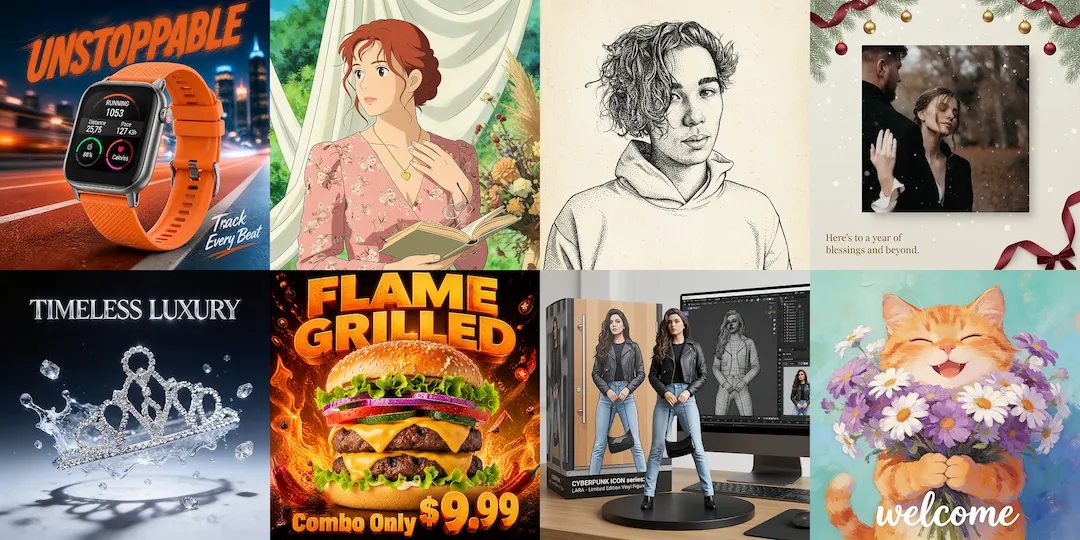
Choose NanoVibe when the final deliverable is a PDP visual, launch asset, ad creative, or repeatable content image that needs to move into production quickly.

AI Tool Comparison
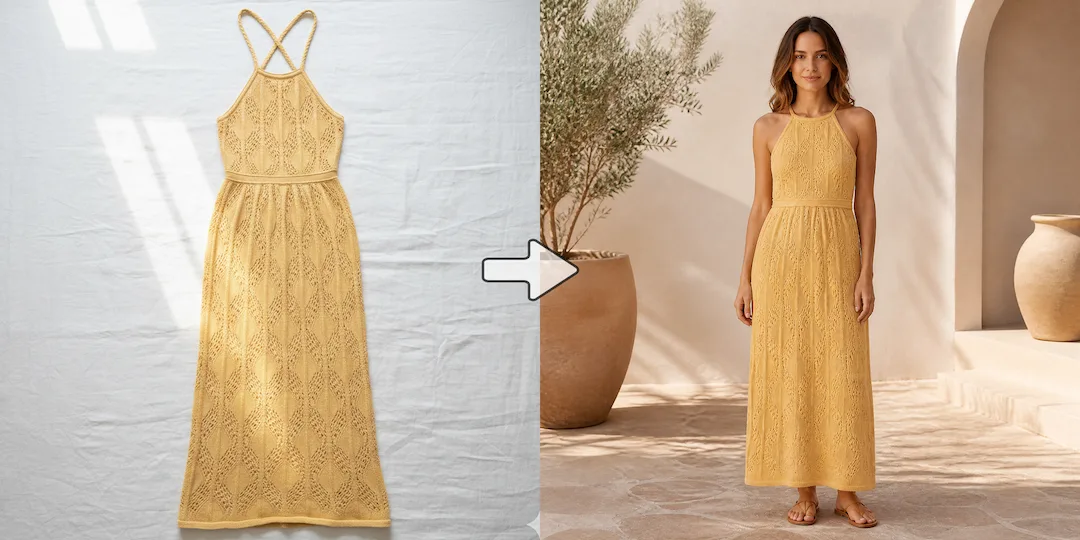
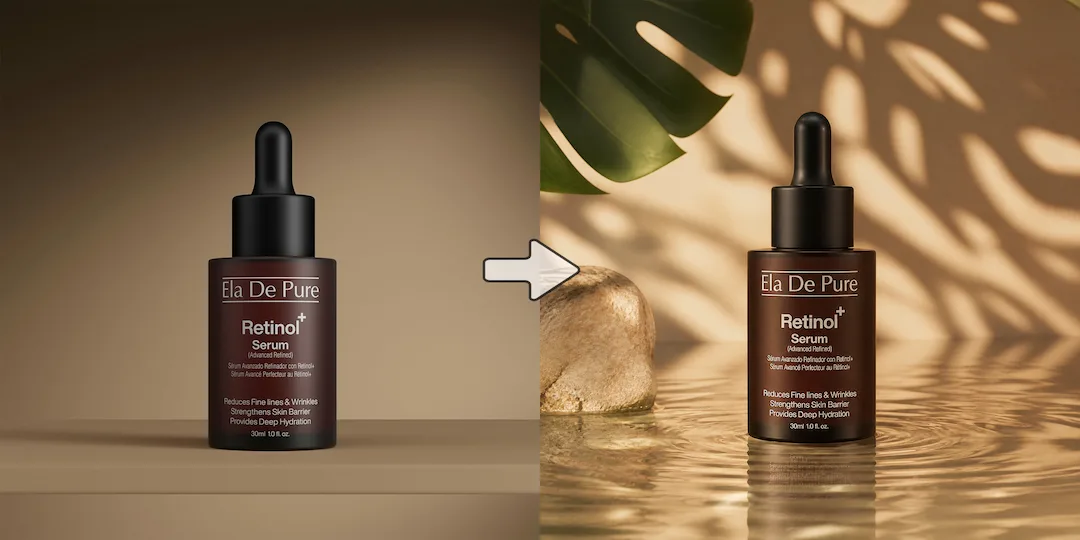
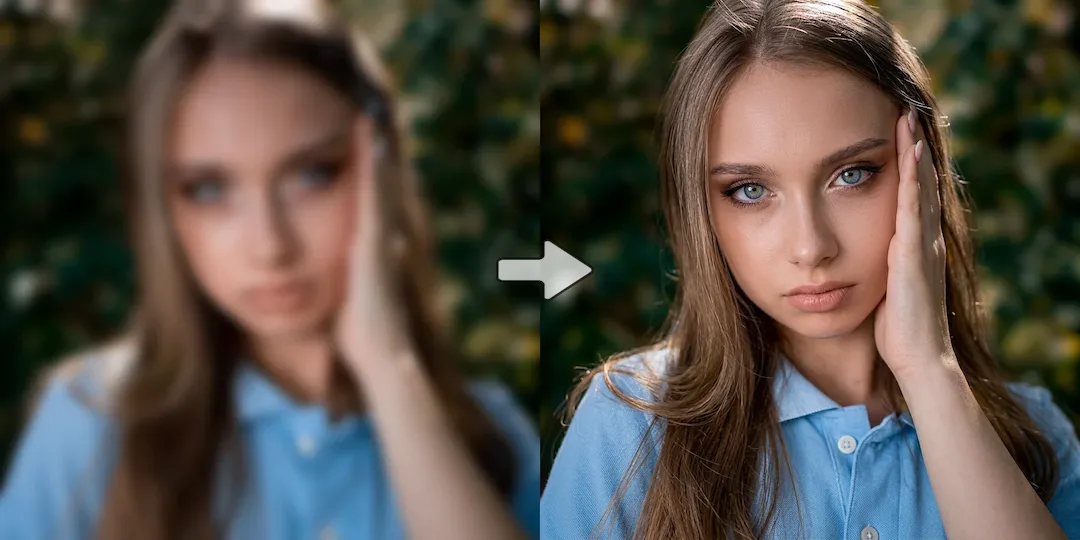
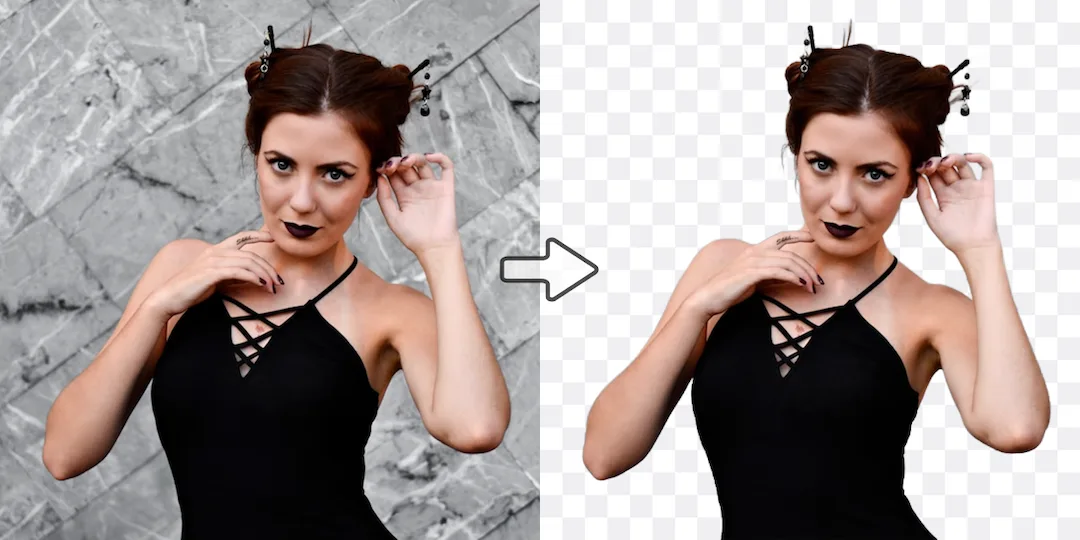
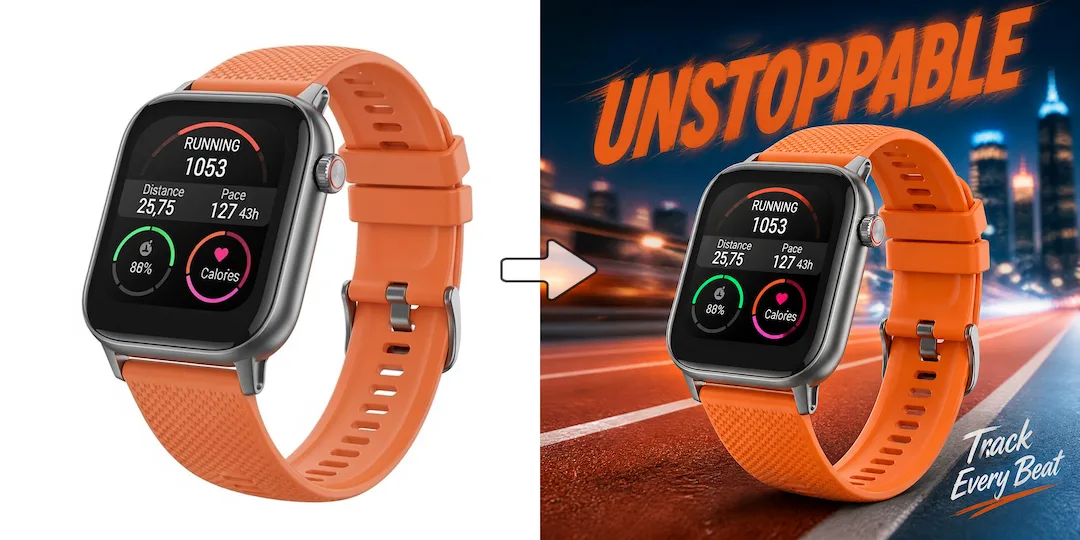
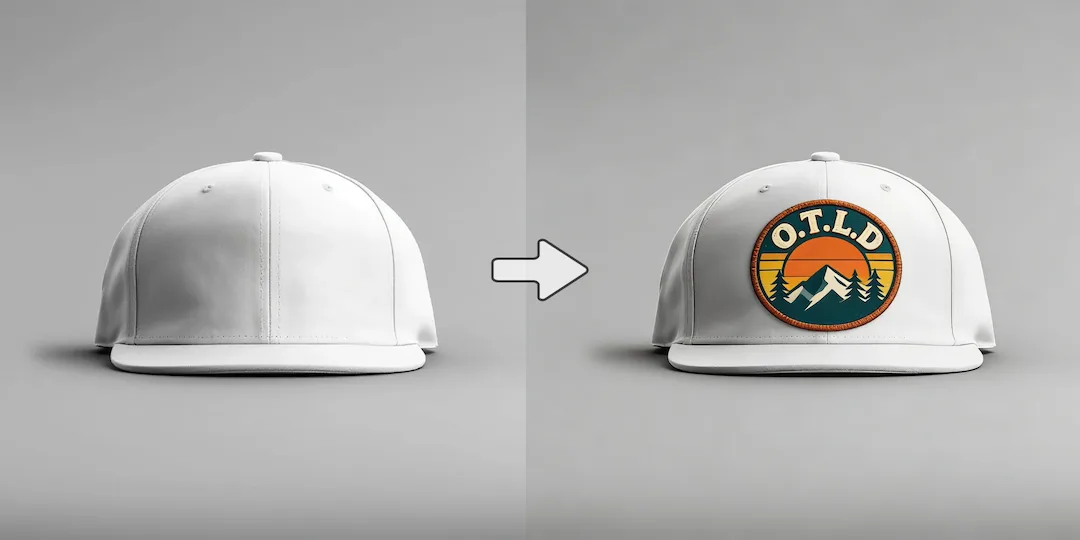
NanoVibe is built for fashion and ecommerce teams that need faster, repeatable AI photo production. It turns one product image into model photos, product scenes, clean packshots, and campaign creatives with less cost and less tool switching. ChatGPT is excellent for talking through ideas, but NanoVibe becomes the better option when image creation is the main job and the deliverable is a finished commercial visual.
Decision guide
Choose NanoVibe when the final deliverable is a PDP visual, launch asset, ad creative, or repeatable content image that needs to move into production quickly.
Choose ChatGPT when you want help with brainstorming, writing, planning, research, or multimodal discussion before you decide what image to make.
Teams often keep ChatGPT for strategy and copy, then adopt NanoVibe when they need a more direct path from brief to visual asset.
Full comparison
ChatGPT is valuable when you need ideation, planning, or multimodal discussion. NanoVibe becomes stronger when the job is to actually produce product visuals, ad creatives, and repeatable assets without general-assistant overhead.
NanoVibe is optimized for taking an image brief and turning it into an asset that can be published, tested, or handed off.
ChatGPT is optimized for conversation and problem solving, which makes it powerful for thinking but less specialized for visual delivery.
NanoVibe gives a cleaner route from prompt to visual result when image creation is the core task.
ChatGPT is strong for iterative discussion, but image creation can feel secondary when the workflow spans many other assistant tasks.
NanoVibe is easier to hand to marketers and ecommerce operators who need repeatable image output without a long conversational loop.
ChatGPT is more useful when one person is still thinking through the task and wants an assistant in the loop throughout.
Better for campaign assets, product visuals, and ongoing image production.
Better for brainstorming, writing, and generalist workflows where images are only one output type.
Why users switch
The issue is rarely that ChatGPT is bad at images. The issue is that many users eventually want a more specialized workflow once image production becomes part of marketing, ecommerce, or content operations.
Talking through ideas is useful, but sometimes you just want to create the product image, ad visual, or launch asset and move on.
A general assistant is useful for exploration. A dedicated image tool often becomes more useful for repeated content creation across launches, ads, and storefront updates.
As soon as image creation becomes a recurring task, a more specialized interface usually feels more efficient and easier to hand to a team.
Use cases
ChatGPT is the stronger option if you want to brainstorm, write, plan, and generate visuals in one conversational space.
NanoVibe is better when your main goal is to get useful visuals out quickly for product pages, paid social, landing pages, and ecommerce campaigns.
If you create lots of visual assets instead of occasional one-offs, NanoVibe is generally the more practical fit.
Why NanoVibe wins
NanoVibe removes generalist overhead and keeps the user closer to the visual task that actually needs to be delivered.
The more often you generate product scenes, ad variants, and launch creatives, the more valuable a dedicated workflow becomes.
NanoVibe is a better fit for users who care less about discussion and more about producing assets for real use.
That matters for teams, marketers, creators, and founders who do not want image creation to feel like a side task inside a giant assistant.
Try it yourself
If your real need is serious visual creation, test that workflow directly. A dedicated image tool often feels very different from a general-purpose assistant once you start producing regularly.
Try NanoVibe FreeFAQ
Yes, in most production cases. ChatGPT is stronger as a broad assistant, but NanoVibe is usually better when the deliverable is a finished image asset for a campaign, PDP, ad set, or launch page.
The main reason is focus. Teams switch when they want a workflow built around image tasks rather than a general interface where images are only one part of the experience.
Yes. Many teams can still use ChatGPT for campaign ideas, messaging, briefs, and prompt thinking, then move to NanoVibe to actually create the image assets.
NanoVibe is usually better for marketers and creators who need ongoing visual production. ChatGPT remains valuable for ideation, but it is not always the most streamlined environment for repeated image work.
In most cases, yes. If your intent is clear and image creation is the main task, an image-first workflow usually feels simpler, faster, and easier to repeat across many assets.
NanoVibe is a strong alternative for users who want a more focused tool for practical image generation, iteration, and repeat visual production.
More comparisons
Best for teams choosing between Midjourney concept art and NanoVibe's faster workflow for product photos, ads, and launch visuals.
Compare Gemini's assistant-style image help with NanoVibe's dedicated workflow for repeatable ecommerce and marketing visuals.
Best for teams comparing Canva's design suite with NanoVibe's image-first workflow for source assets, product photos, and campaign visuals.
Compare Photoroom's seller-focused editing and listing workflow with NanoVibe's broader AI photo workflow for models, scenes, packshots, and campaign assets.
Compare Claid's product-photo enhancement and API workflow with NanoVibe's image-first workflow for model photos, product scenes, and launch-ready visuals.
Best for sellers comparing a utility-heavy editor with a full product photo workflow for cleanup, scenes, packshots, and promo assets.
Compare Aragon's classic business headshots with NanoVibe's broader workflow for LinkedIn photos, founder portraits, and brand imagery.
Compare Photo AI's training-heavy portrait workflow with NanoVibe's faster path to headshots, creator photos, and brand-ready portraits.
See when a free image generator is enough and when NanoVibe is better for reliable product visuals, ads, and repeat commercial work.
Compare Stable Diffusion's open model freedom with NanoVibe's faster workflow for non-technical teams shipping ecommerce and campaign assets.
Best for teams deciding between model-first Flux workflows and NanoVibe's faster route to product imagery, launch assets, and ad creatives.
Compare Claude for briefs and thinking with NanoVibe for image production when the final deliverable is a campaign or product visual.
See when Remini is enough for enhancement and when NanoVibe is better for turning repaired images into ecommerce and campaign assets.
Compare OpenArt's exploration-heavy creator platform with NanoVibe's cleaner workflow for product images, ads, and practical brand visuals.
More tools